
The Agency for Restoration and the United Nations Office on Drugs and Crime (UNODC) have reviewed the results of their cooperation and identified next steps to strengthen anti-corruption measures in Ukraine’s reconstruction efforts. Discussions covered issues ranging from transparent procurement to oversight of international assistance.
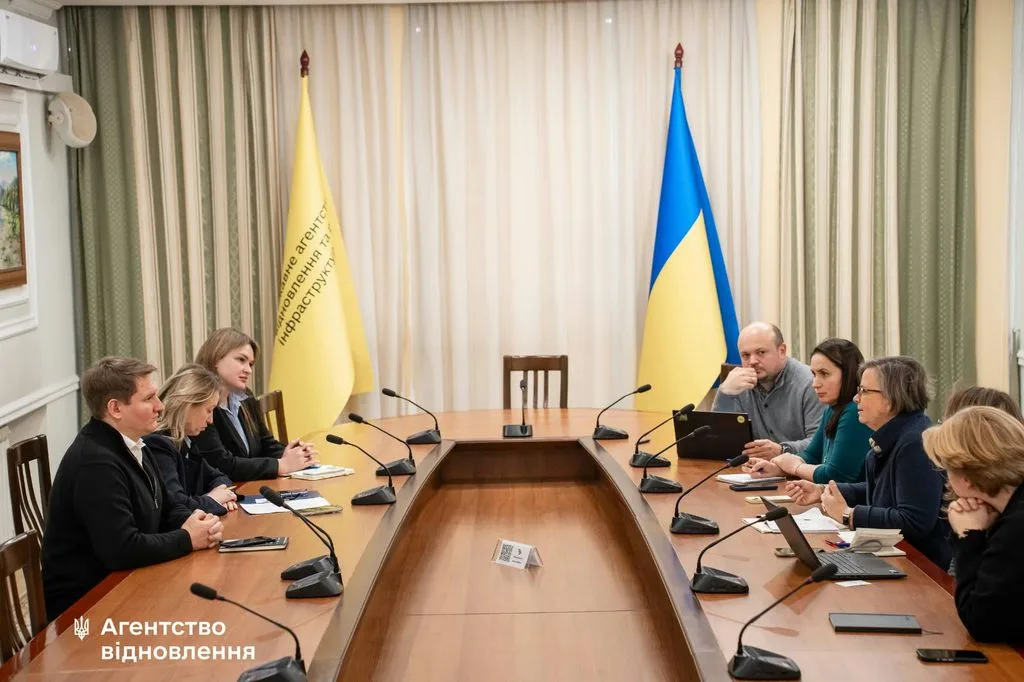
The meeting was attended by Liudmyla Bukharina and Yurii Sverba, Deputy Heads of the Agency for Restoration; Olha Perminova, Head of the Corruption Prevention and Detection Sector; and UNODC representatives led by Jennifer Sarvary Bradford, Officer-in-Charge of the Field Support Section, Corruption and Economic Crime Branch, and Norad Project Coordinator.
Cooperation between the Agency and UNODC began in April 2023. Since then, international experts have helped improve internal processes to ensure that reconstruction decisions are made transparently and corruption risks are identified before they become problems.
The partnership has delivered tangible results. With UNODC’s expert support, the Agency developed its Anti-Corruption Programme for 2026–2028, which identifies 36 corruption risks and sets out 121 measures to mitigate them. The cooperation has also helped improve internal procedures, oversight mechanisms and contract management practices. In addition, an independent assessment of the Agency’s corruption reporting system was conducted, with recommendations developed in line with international standards.
The priority now is to put these measures into everyday practice. The Agency is already working to develop anti-corruption programmes for all 22 regional Restoration Offices. Particular attention is being paid to transparency in the use of international funding, as continued support for Ukraine’s reconstruction depends on maintaining the trust of international partners.
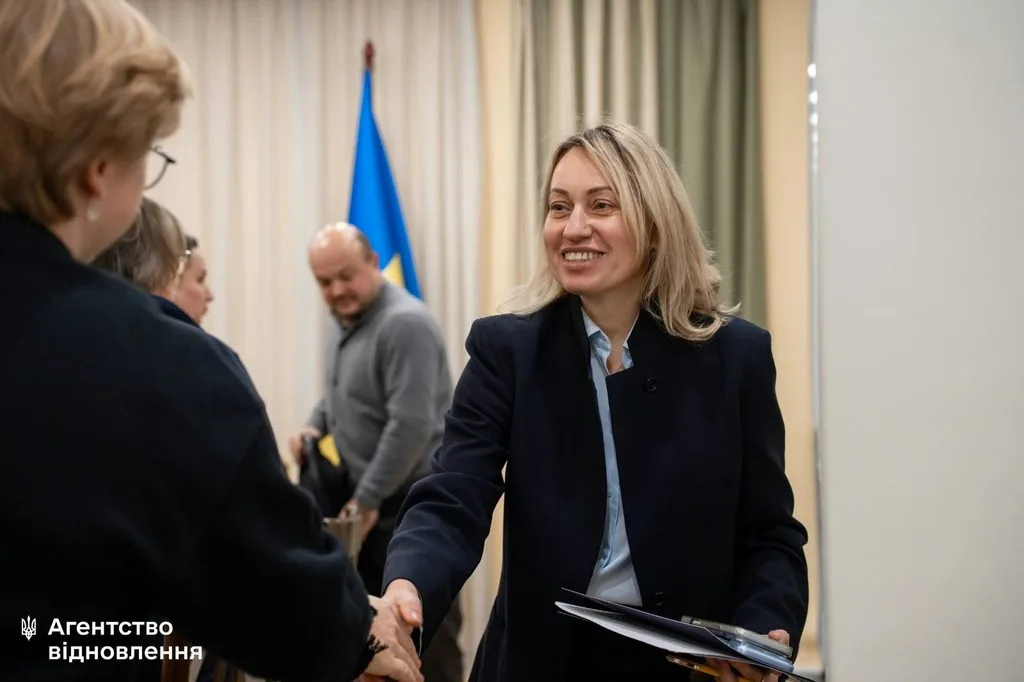
“It is essential that every stage of reconstruction is transparent and clear to both the public and our international partners. We manage substantial amounts of funding and must therefore ensure proper oversight of how these resources are used. Our priority now is to move beyond adopting anti-corruption policies and ensure they are put into practice across all regional Restoration Offices,” said Liudmyla Bukharina, Deputy Head of the Agency for Restoration.
The meeting also identified new areas for joint work, including improvements to procurement procedures, corruption risk management and the development of transparent mechanisms for allocating funds for the maintenance, repair and development of road border crossing points.
To accelerate the implementation of these measures, international partners plan to strengthen their expert support. During the meeting, Gulnara Toleyeva was introduced as the new head of UNODC’s anti-corruption work in Ukraine. Her role will involve closer cooperation with Ukrainian government institutions and regular coordination of joint initiatives.
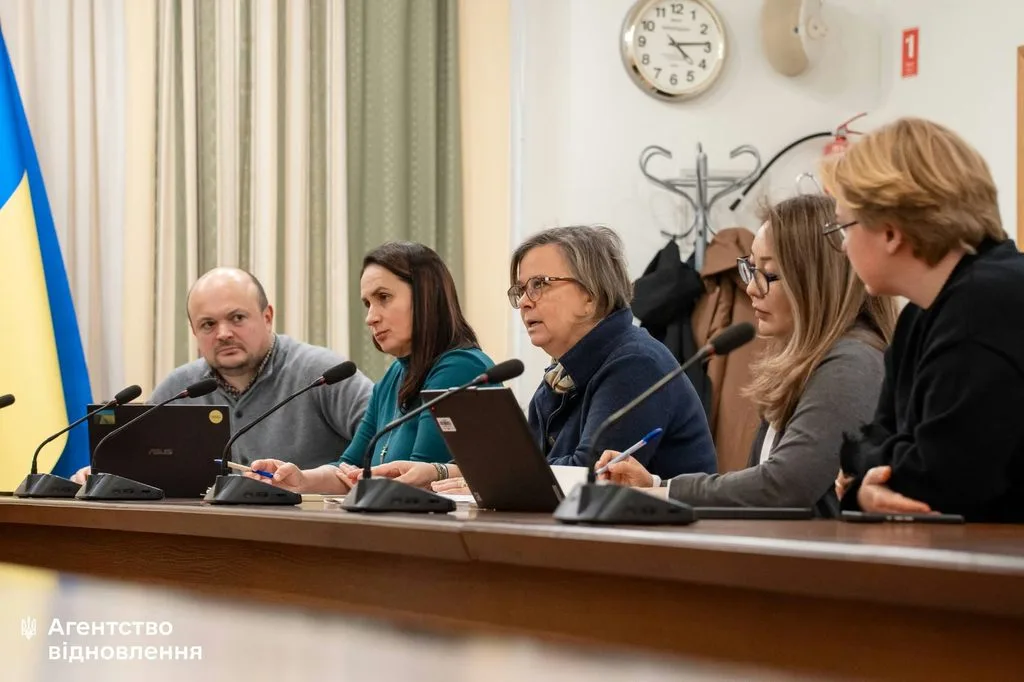
“Our aim is to help Ukrainian government institutions strengthen their capacity to prevent corruption. It is important that the recommendations developed lead to concrete changes in day-to-day operations, and that transparency, integrity and accountability become an integral part of Ukraine’s reconstruction process,” said Jennifer Sarvary Bradford, UNODC representative.
Following the meeting, both sides agreed to hold regular working-level consultations and continue supporting the implementation of anti-corruption measures. Their shared priority is to make transparency and accountability permanent guiding principles at every stage of Ukraine’s reconstruction.